Our YARD EMPIRE Store is now exclusively ONLINE - All intstore sales, servicing and repairs are now located at SANDGATE MOWERS!

Ride On Mower Transmission Failure
3/29/20262 min read
Signs - Symptoms - Repair
A ride-on mower that starts perfectly but refuses to move is a common frustration for homeowners. While it often feels like a terminal mechanical failure, the root cause can range from a simple disengaged lever to more complex internal gear damage.
At Sandgate Mowers, our lead technician has over 15 years of experience handling these exact issues, from simple drive belt slips to complex hydro transmission repairs.
Warning Signs of a Failing Transmission
Early detection can save you from a total transaxle replacement. Watch for these symptoms:
Loss of Power on Inclines: The mower operates normally on flat ground but slows down or stops when heading uphill.
Response Lag: There is a noticeable delay between pressing the drive pedal and the mower moving.
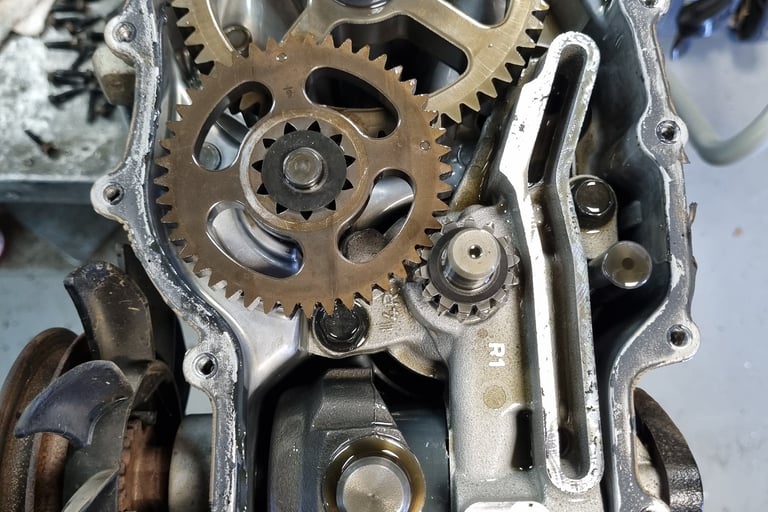
Unusual Noises: Whining, grinding, or clicking sounds often indicate air in the hydraulic system or worn-out internal gears.
Performance Drops as it Warms Up: In hydrostatic models, oil thins as it heats; if the system is worn, it may lose the ability to build pressure after 20–30 minutes of use.
Common Causes for Failure
Drive Belt Issues: A worn, stretched, or slipped drive belt is the most frequent culprit. If the belt isn't transferring power from the engine to the transaxle, the mower won't budge.
Debris Accumulation: Grass clippings and mud can coat the transmission’s heat-dissipating fins. This causes overheating, which is the "number one enemy" of hydrostatic systems.
Low or Contaminated Fluid: Just like a car, transmissions need clean oil. Over time, moisture and dirt can degrade the fluid, leading to internal wear.
Disengaged Bypass Lever: Most mowers have a "neutral" or bypass lever (usually at the rear) that allows you to push it manually. If this lever is pulled out, the drive system is disconnected.
Repair vs. Replacement Costs
Deciding whether to fix or replace depends heavily on whether your transmission is "serviceable."
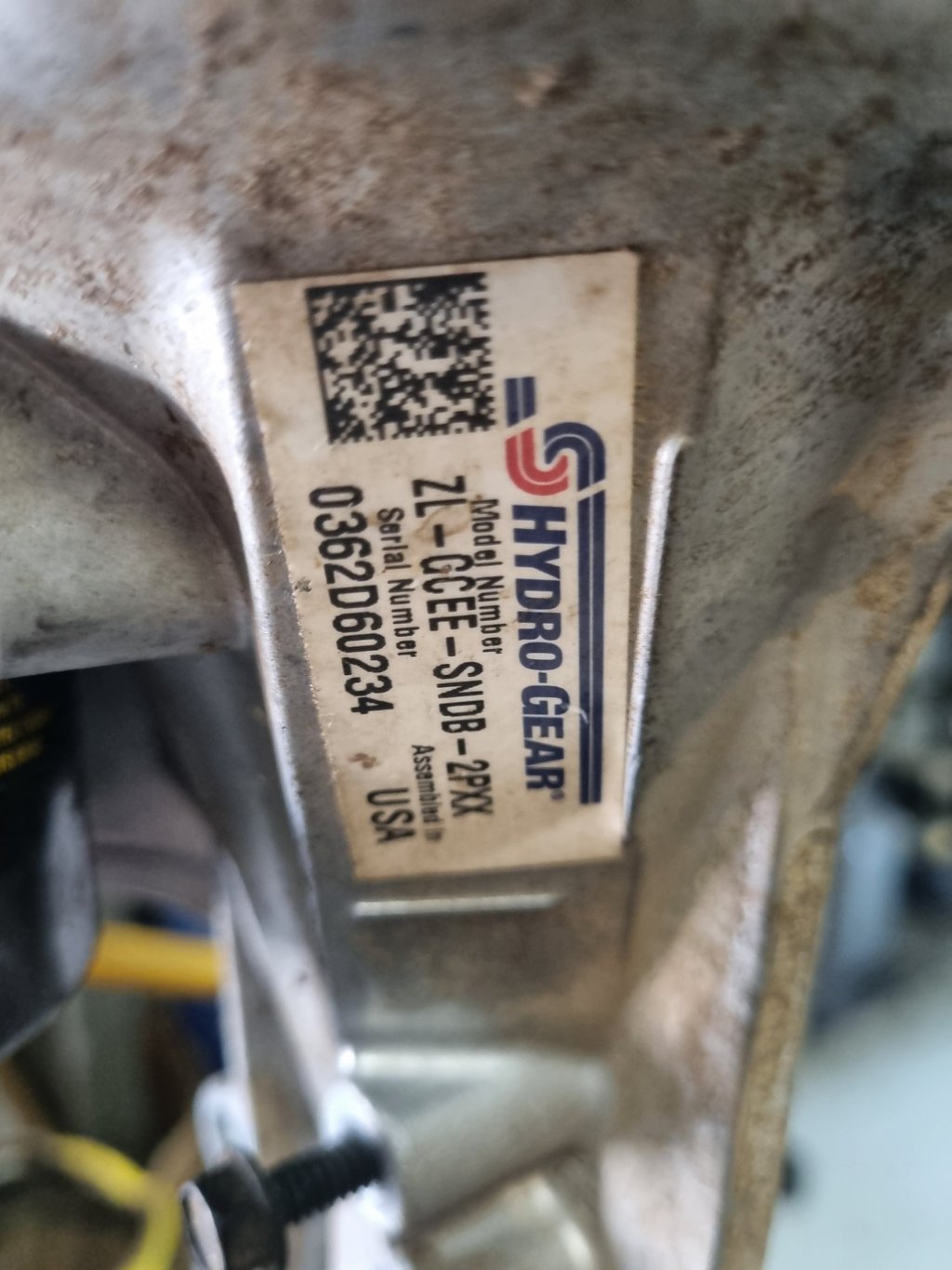
Serviceable Units: These allow for oil and filter changes. A full service kit can save you from a much larger bill later.
Sealed/Non-Serviceable Units: Common on entry-level mowers, these are often replaced rather than repaired. However, at Sandgate Mowers, we specialise in hydro transmission repair and can often provide a more cost-effective solution than a total replacement.
Replacement Kits: New transmission kits generally range from $1500 to over $2500 depending on the model.
Professional Help at Sandgate Mowers
If your mower is stuck, don't sweat it. We offer a pickup and delivery service across Brisbane to get your ride-on mower into our workshop and back to you without the hassle.
Location: 129 Rainbow St, Sandgate QLD 4017 [1].
Contact: Call us on 0404 724 346 or email enquiries@sandgatemowers.com.au
Hours: Tuesday–Friday (8:30 am – 5:00 pm) and Saturday (8:00 am – 2:00 pm)
Prevention Tips
Keep it Clean: Use compressed air to clear debris from the transmission area after every few mows to prevent overheating.
Inspect Belts: Check for fraying or cracks at the start of every season.
Check the Bypass: Ensure the free-wheel lever is fully engaged before starting your work.
Avoid Overloading: Don't use a standard lawn tractor to tow heavy loads on steep hills, as this puts extreme stress on the transaxle.
(C) 2024 Sandgate Mowers
SITEMAP
Tuesday - Friday
8:30am - 5:00pm
Saturday's
8:00am - 2:00pm
Sunday & Monday
CLOSED
SANDGATE MOWERS
129 Rainbow Street
Sandgate Qld 4017
Ph: 0404 724 346
Public holidays
CLOSED
ABN: 47 664 189 922